Canada Surpasses Francophone Immigration Targets for the Fourth Year in a Row
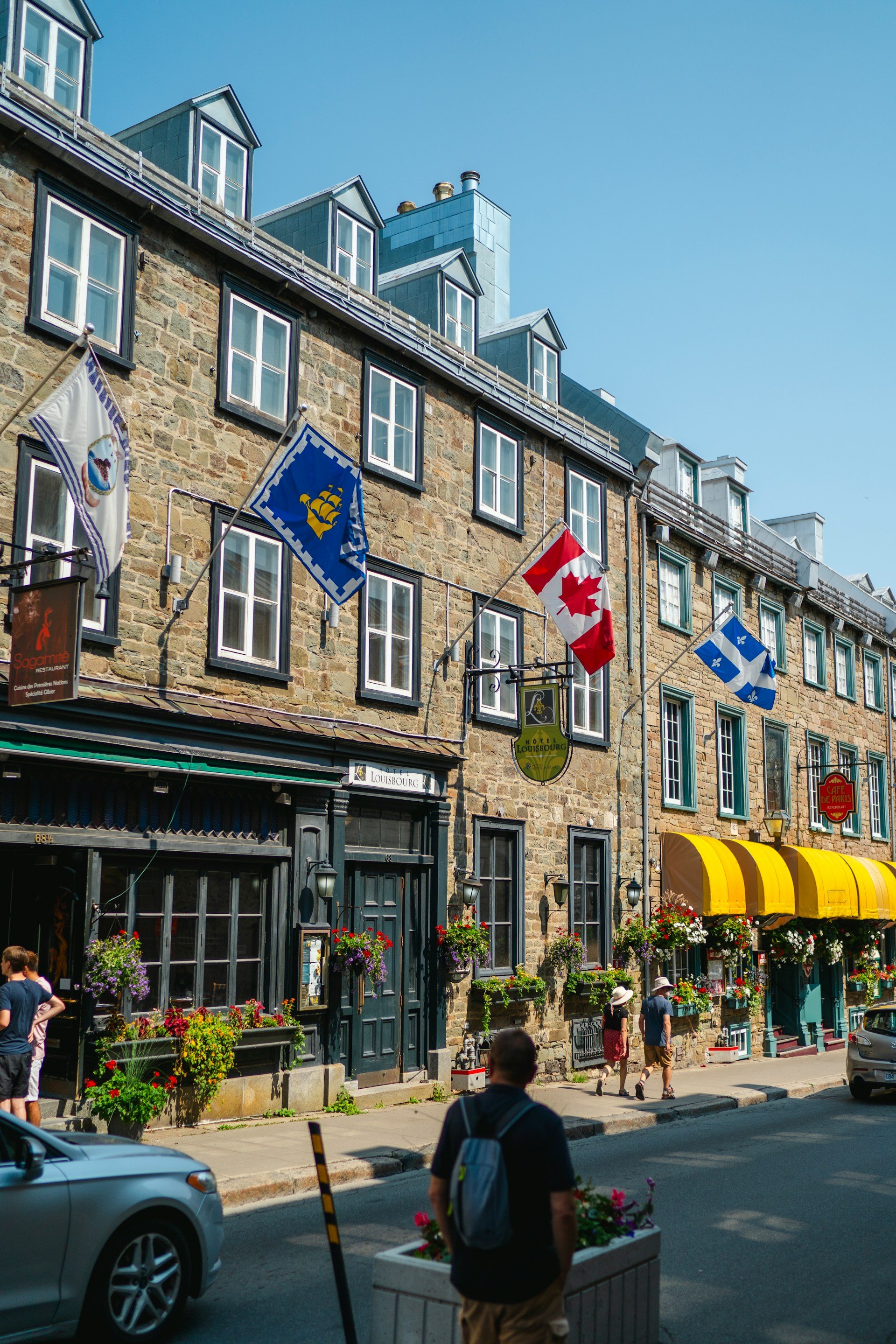
Canada has once again exceeded its Francophone immigration targets — marking the fourth consecutive year the federal government has gone beyond its goals for French-speaking permanent residents outside Quebec.
The announcement was made in Moncton on January 19, 2026, where Lena Metlege Diab, Minister of Immigration, Refugees and Citizenship, confirmed that Canada reached approximately 8.9% of admissions for French-speaking permanent residents outside Quebec in 2025. That equates to roughly 29,500 new residents, surpassing the government’s original 8.5% target.
Why Francophone Immigration Matters
Francophone immigration plays a critical role in supporting labour market needs and sustaining Francophone and Acadian minority communities across Canada — particularly in provinces like New Brunswick, Ontario, Manitoba, and parts of Atlantic Canada.
French-speaking newcomers help:
Address skilled labour shortages
Strengthen bilingual and Francophone institutions
Support economic growth in minority language communities
Reinforce Canada’s commitment to its two official languages
As Minister Diab stated during the announcement, French-speaking immigrants are not only filling jobs — they are helping communities thrive, culturally and economically.
New Federal Selection Spaces for French-Speaking Immigrants
As part of Canada’s broader Immigration Levels Plan, the federal government also announced the creation of 5,000 reserved federal selection spaces. These spaces will allow provinces and territories to specifically designate French-speaking immigrants through their immigration programs.
This move is intended to:
Reduce shortages of Francophone and bilingual workers
Give provinces more flexibility to meet local labour demands
Attract top global talent to Francophone minority regions
For employers and prospective immigrants alike, this signals a growing opportunity for French-speaking skilled workers seeking permanent residence in Canada outside Quebec.
Higher Targets Ahead: 2026 to 2028
Canada isn’t stopping at 2025. The federal government has outlined an ambitious growth plan for Francophone immigration outside Quebec, with targets set to increase steadily over the coming years:
9% in 2026
9.5% in 2027
10.5% in 2028
These rising targets reflect a long-term policy commitment — and create meaningful opportunities for French-speaking individuals considering immigration through economic programs, provincial nominations, or family-based pathways.
What This Means for Prospective Immigrants
For French-speaking applicants, this trend is more than symbolic. It can translate into:
Increased draws and targeted streams
Greater provincial nomination opportunities
Stronger prospects under Express Entry and PNPs
More favourable outcomes for bilingual candidates
As competition grows across many immigration programs, French language ability continues to be a significant strategic advantage.
Need guidance on Francophone immigration pathways to Canada?
At Ayodele Law, we help French-speaking individuals and families navigate permanent residence options across Canada — including Express Entry, provincial programs, and strategic immigration planning.
Speak with a professional today to understand how Canada’s Francophone immigration priorities may work in your favour.